
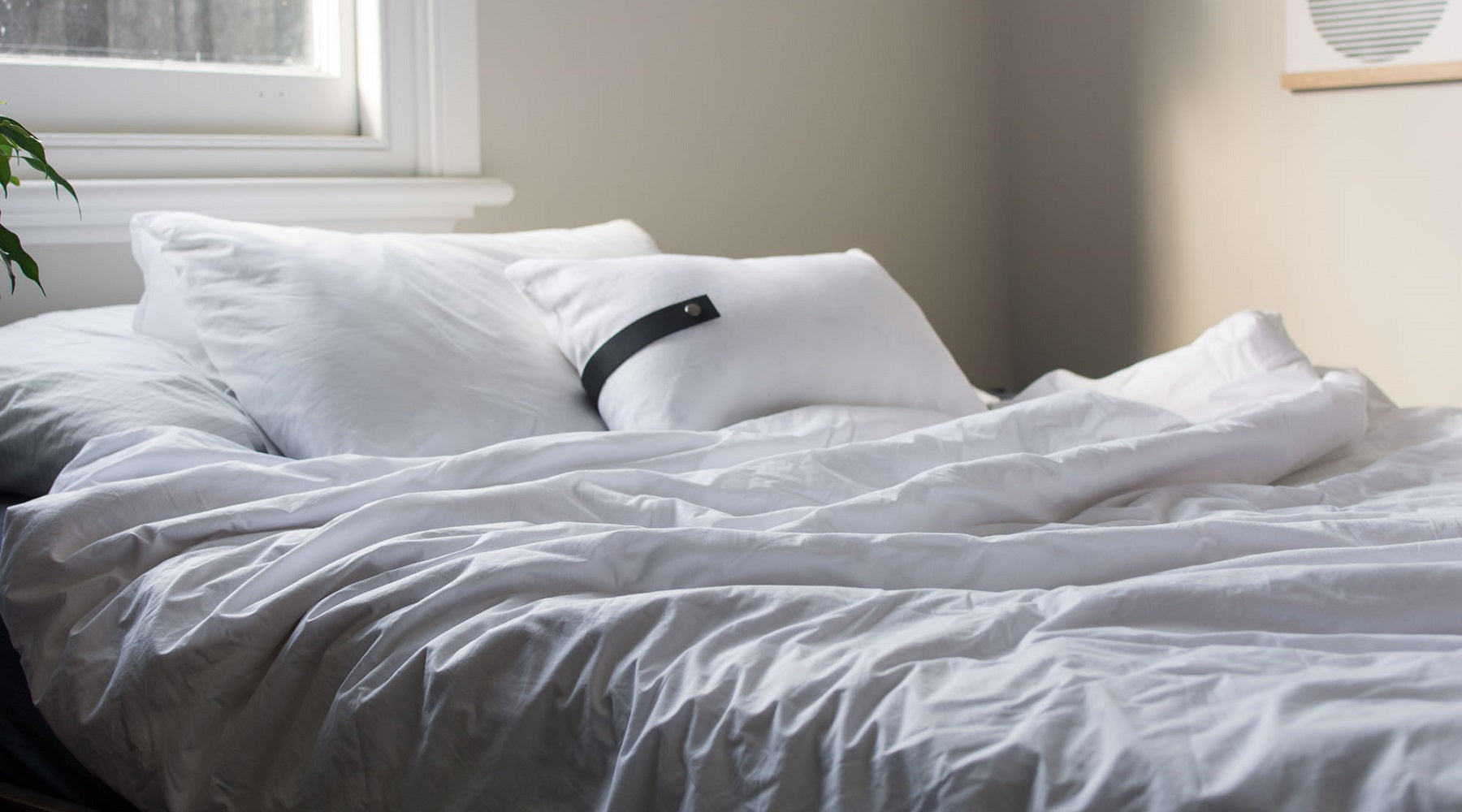
Truth about thread count
If you've always equated quality bedding with thread count, then you have been duped. According to prevailing wisdom, the higher the number the better and more luxurious the sheets. We have unquestioningly accepted this as a way of determining quality… if only it were true.
Textile expert Julian Tomchin told the New York Times "Once you get beyond 400 threads per square inch, be suspicious." The reason is that there is a limit to how many threads can fit in a square inch, and that number is usually 400 or less. Fifty years ago, a sheet with a thread count of 180 was considered luxury. So what to make of the 1000+ thread counts prevalent today?
So, what is thread count?
First, let's define thread count. It's simple - it's the number of vertical (warp) threads and horizontal (weft) threads in a square inch of fabric. Theoretically, a higher number should mean softer, better quality sheets. But many manufacturers use creative counting methods to give you sheets with up to 1200 thread count on the label.
This is done by using multi-ply threads. When manufacturers use poor quality, shorter and weaker fibers, they have to ply the strands together to give strength, resulting in a coarser, thicker thread. When two strands are twisted into a thread, it is called two-ply, when it's three strands, it's three-ply and so on. To get the high thread counts, some manufacturers count each strand within a plied thread as a separate thread. So a 1200 thread count sheet made from three-ply fabric should truthfully be labeled as 400 thread count. But as there is no industry standard or regulation covering this practice, it is buyer beware.
Additionally, thread count measurements can vary across countries and manufacturers, making comparisons tricky. This matters because two sheets with the same thread count could be labeled differently depending on the measurement method used - one might read 300 thread count and the other 400.
So not only is much of the practice surrounding thread count misleading and deceptive, it serves no useful purpose anyway - because according to experts, thread count contributes very little to the overall quality of a sheet. Tests by Consumer Reports have confirmed that "a higher thread count doesn't guarantee better sheets."
Identifying quality sheets
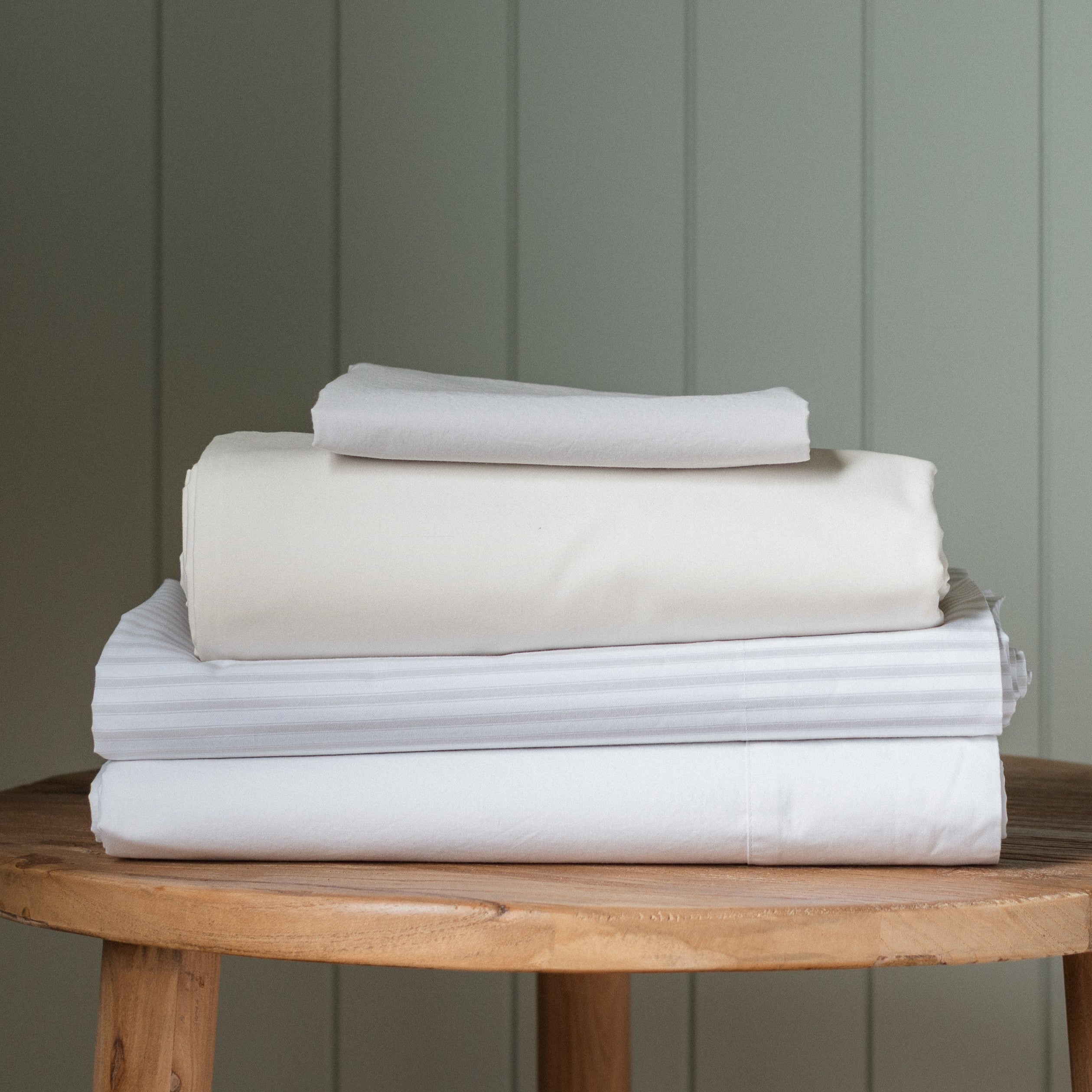
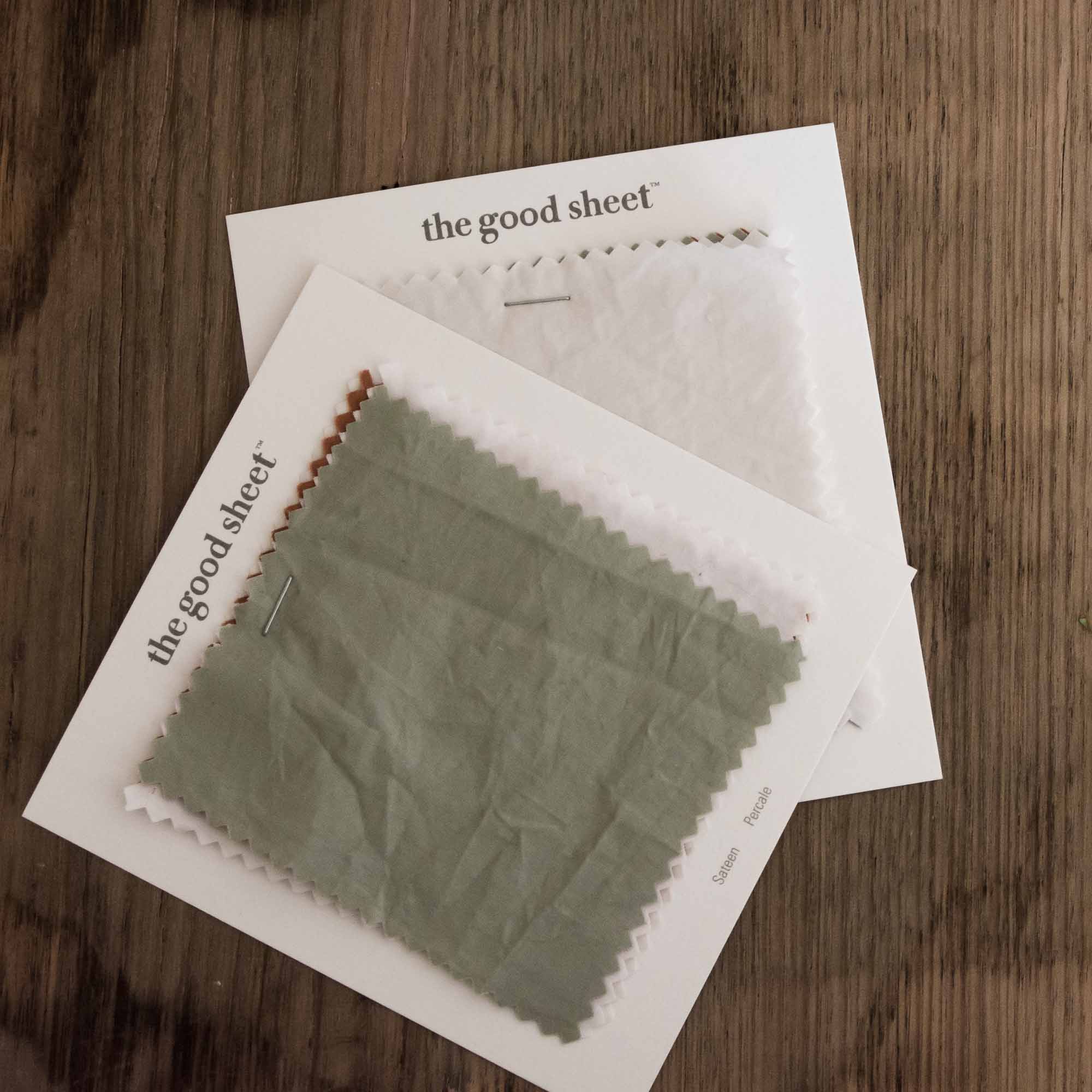
What matters when choosing a quality set of sheets is the quality of the fabric they are made from. Look for long-staple cottons such as combed cotton, Egyptian cotton or Pima cotton. Choose Percale sheets if you prefer a smooth and crisp feel that is cool to the touch, or Sateen sheets if you prefer softer and silkier sheets. Don't rely on the feel in the store as manufacturers use enhancers which wash out quickly. Good quality sheets should feel better with every wash, and they won't pill.
View our Heritage Cotton Percale Bedding
Thicker, crisper and sturdier sheets for that old-fashioned comfort. Made with long staple combed cotton, they'll only get better with washing and use. At The Good Sheet we only offer high quality fabrics – because we think a good sleep is the key to everything. Our cotton sheets will only get better and better - try them and feel the difference a good sheet makes.