
How to store linens
How to store bed linens correctly over extended periods of time is a question we get asked frequently. Whether it's a change in seasons or just to update the look of your bedroom, you will at some point need to rotate and store your bedding. To keep your sheets fresh and crisp in storage, follow our guide below.
First, clean your bed sheets
If you want to make sure your sheets don't come out smelling musty or looking discolored, the first thing you need to do is thoroughly clean them. Wash your sheets even if you don't think they look dirty, because even small traces of skin cells or body oils can discolor your sheets over time, or worse – attract all kinds of pests which like to feast on the dirt along with the fabric. Also ensure your sheets are completely dry before putting them in storage.
Pick a dark, dry space with good airflow
Keeping moisture away from your sheets is critical. Humidity promotes mold and mildew, makes your sheets smell musty and can cause yellowing or stains.
Ideally your bed sheets should be stored in a linen closet, however if you don't have one (or a spare shelf in a closet or cupboard), don't fret. You can use any area as long as it's well ventilated, cool and dry and doesn't get a lot of light, such as ottomans or under-bed storage drawers.
Make sure the storage area doesn't have any existing odors as any sheets stored there will tend to absorb them. Try placing odor neutralizers such as baking soda in an open container in the storage space to alleviate this.
Moisture-absorbers and desiccants such as silica gel can be used to reduce humidity if necessary.
What to avoid
The presence of moisture in the air is why you should not store sheets in plastic bags or tubs - they trap moisture and allow mold, mildew and bacteria to breed.
Cardboard and paper tend to attract bugs as well as cause discoloration.
Wooden chests are also not advised because they can give off fumes or acids which can cause yellowing and damage the fibers. They can work, however, if you place something between the wood and your sheets to prevent stains from transferring - for example acid-free paper or a piece of plain fabric.
Fold and protect
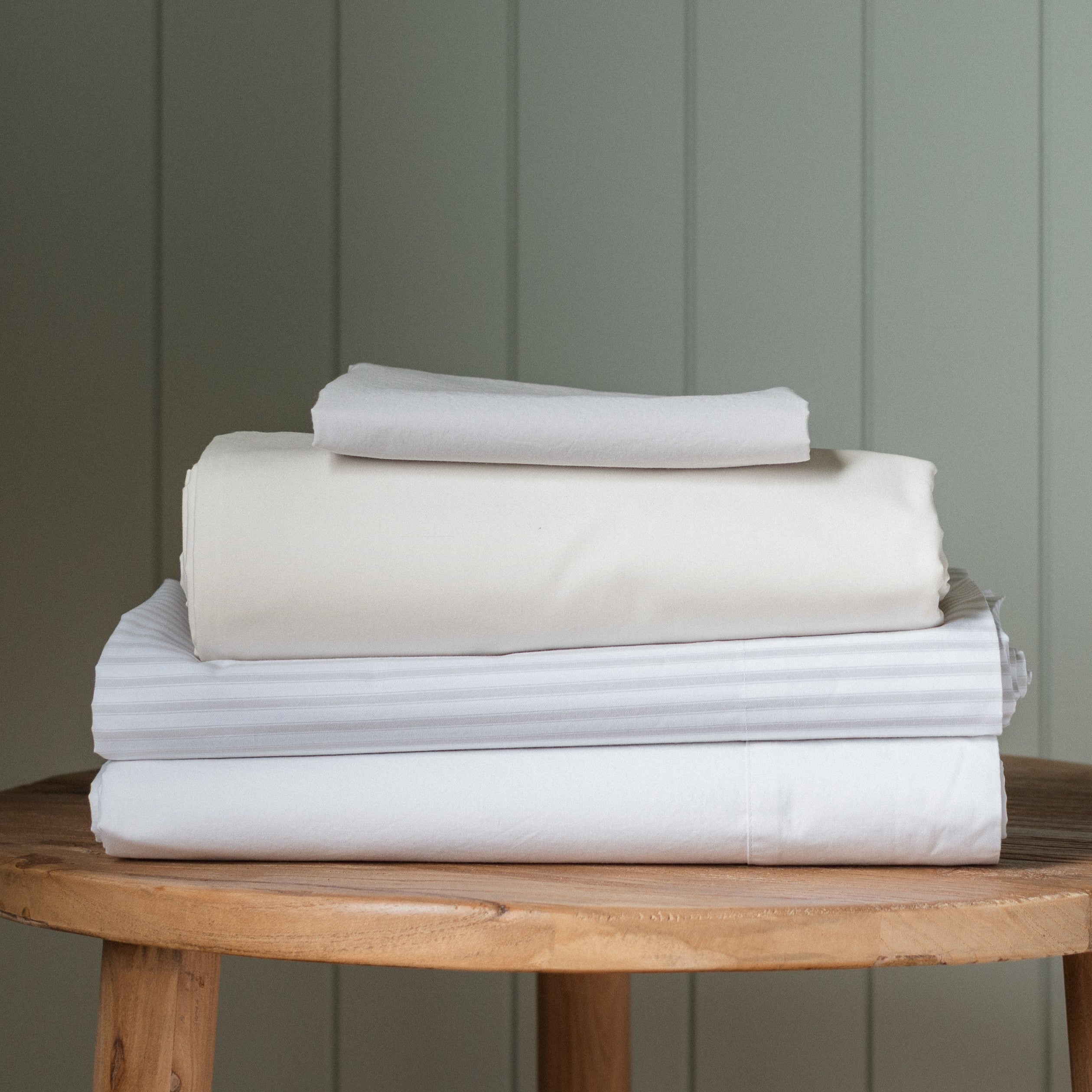
To prepare for storage, fold your sheets neatly but do not pack them together too tightly so that air can circulate. Place in a cotton, muslin or canvas storage bag, ideally white, which will let the sheets breathe and protect them from dust. If you don't have one, you can store them inside their pillowcase which has the added advantage of making it easy to identify and sort from other bedding.
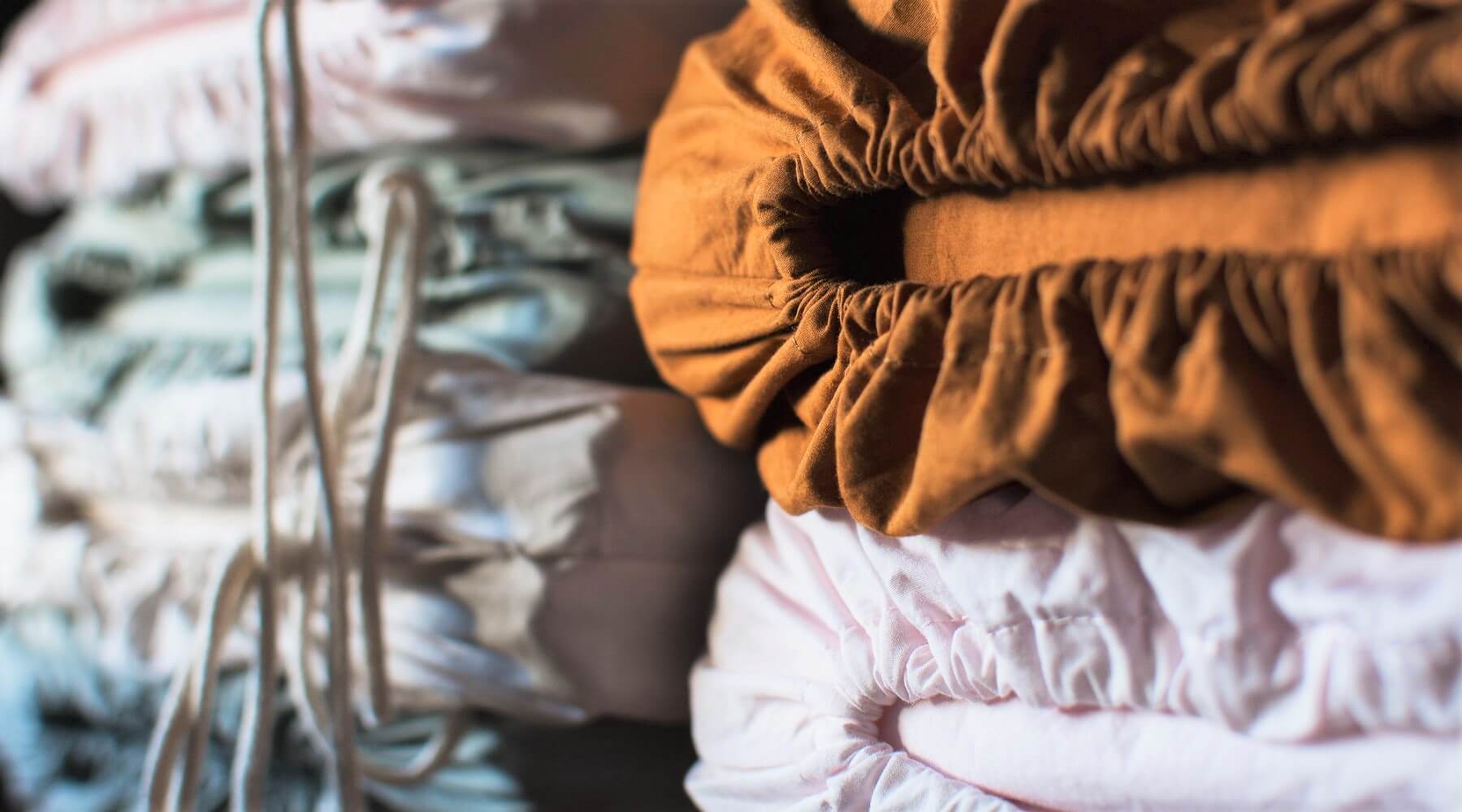
Our cotton sheet sets and bedding sets come in handy drawstring bags made of the same material as the sheets and are ideal for storing your bed linens.
View our Cotton Bedding collection
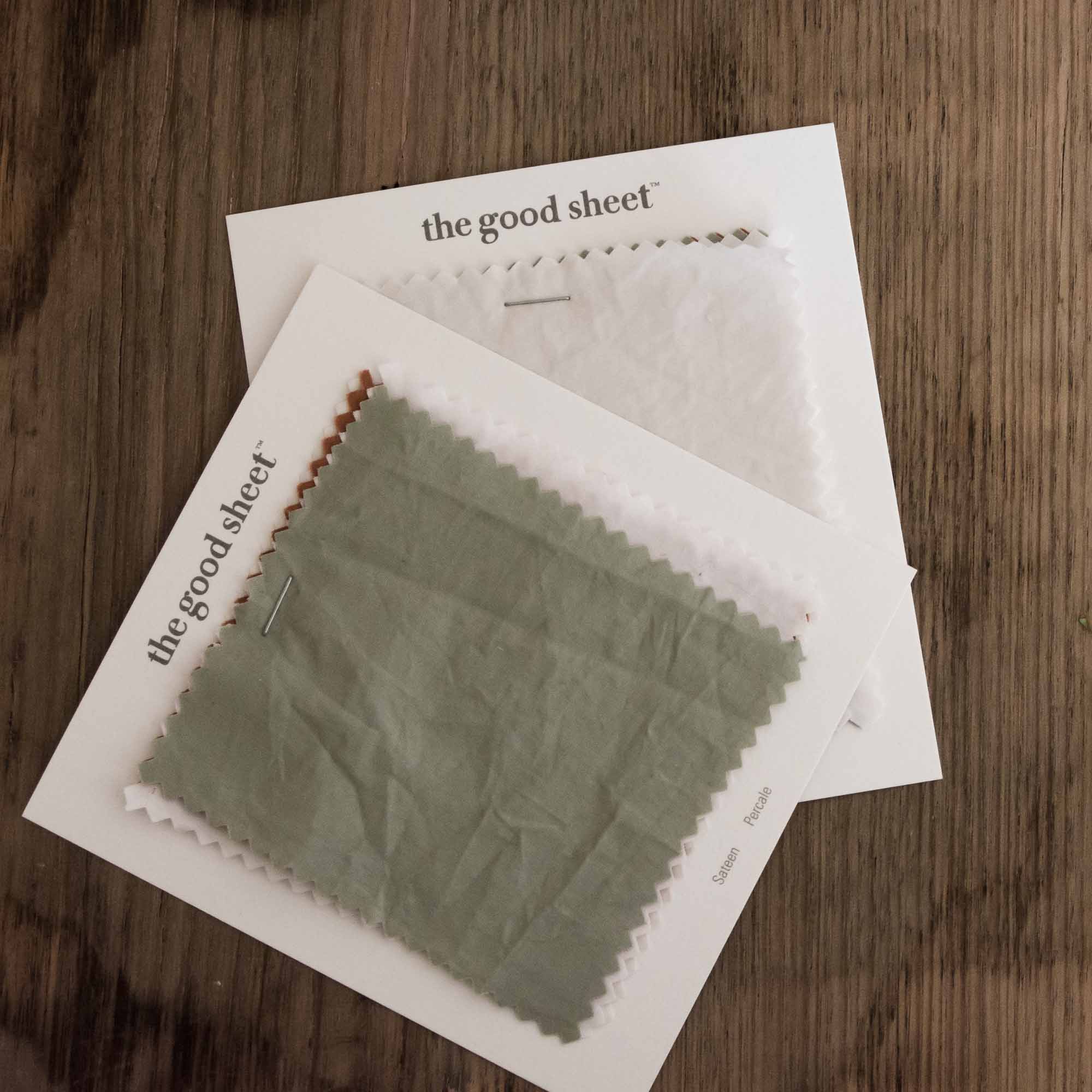
Available in thicker, crisper Heritage Cotton Percale.
Extra tips
Scented sachets such as lavender can be used to give your sheets a subtle aroma - just avoid placing them directly on the sheets.
Check on your bed linen while in storage to make sure the space is still airy and dry. And when taking them out of storage, give them a refresh by washing and air drying. After all, there's nothing better than the smell and feel of fresh, crisp and clean sheets!